A


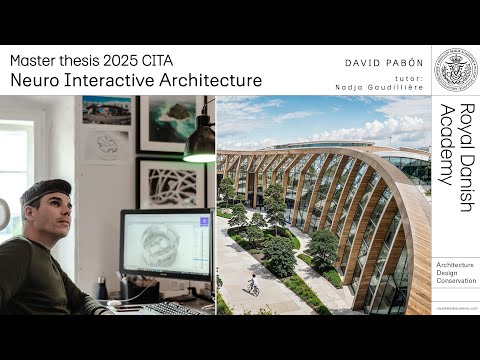
This thesis explores the integration of neurofeedback technology into architecture to support mental well-being and cognitive balance in the workplace. Using real-time biosensing data, primarily EEG signals, it proposes environments that respond to users’ brain states, reinforcing beneficial neural patterns like gamma for focus and flow and alpha for calm and clarity through adaptive lighting, sound, spatial rhythm, and material cues. The objective is to deliver neurofeedback training as a seamless part of everyday life at work. The research establishes a connection between different brainwave frequencies such as alpha, beta, and gamma and their corresponding spatial qualities, defining how architectural environments can foster well-being and enhance the user's daily experience.
Grounded in computational design methods and a speculative near future scenario, the project envisions a new architectural typology: spaces that act as active participants in mental training. Through a case study at Ramboll Headquarters in Copenhagen, the proposal titled The Heart of Ramboll demonstrates how buildings could become responsive privacy respecting systems that gently guide users toward healthier cognitive states, improving quality of life both at work and beyond.