A

Environmental Tectonics in Architecture is a research domain investigating how materials, humans and the environment interact through natural and constructed exchanges, and how these interactions create human sensations that determine the quality of life, how we use energy in buildings and how we understand and materialise architecture.
Rooted in the theoretical origin of tectonics in architecture, my experimental studies and theoretical framework, developed across almost two decades, were comprehensively formulated in 'Environmental Tectonics in Architecture: Matter-Based Architectural Computing' (PhD thesis, 2015) and 'Environmental Tectonics: Convergencies between Six Causalities' (2018).
Focusing on how heat and sound move within and between materials and the surrounding environment, I have investigated these dynamics in metals, glass, plastics, clay and different plants, with a particular focus on fast-growing wood species (Poplar, Grandis, Paulownia), crop-based fibres (hemp, flax, jute, grass) and hybrids between these materials. Studies that have been documented in more than 100 peer-rewiew publications, research exhibitions, full scale prototypes and test houses.
Theory and experimental investigations contribute to architectural knowledge, methods, and models, branching into new theoretical and experimental domains of Thermal Tectonics in Architecture and Acoustic Tectonics in Architecture.
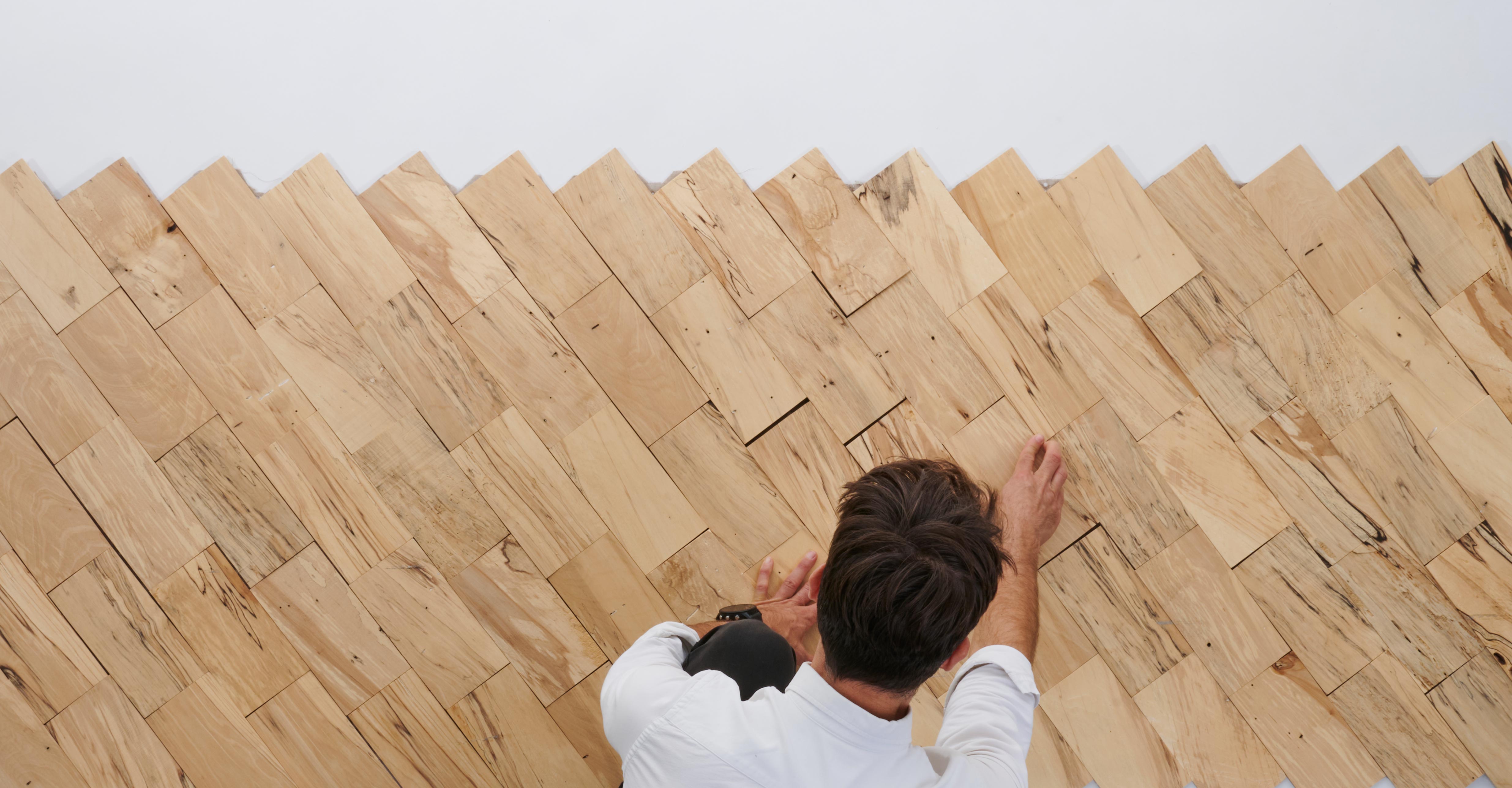
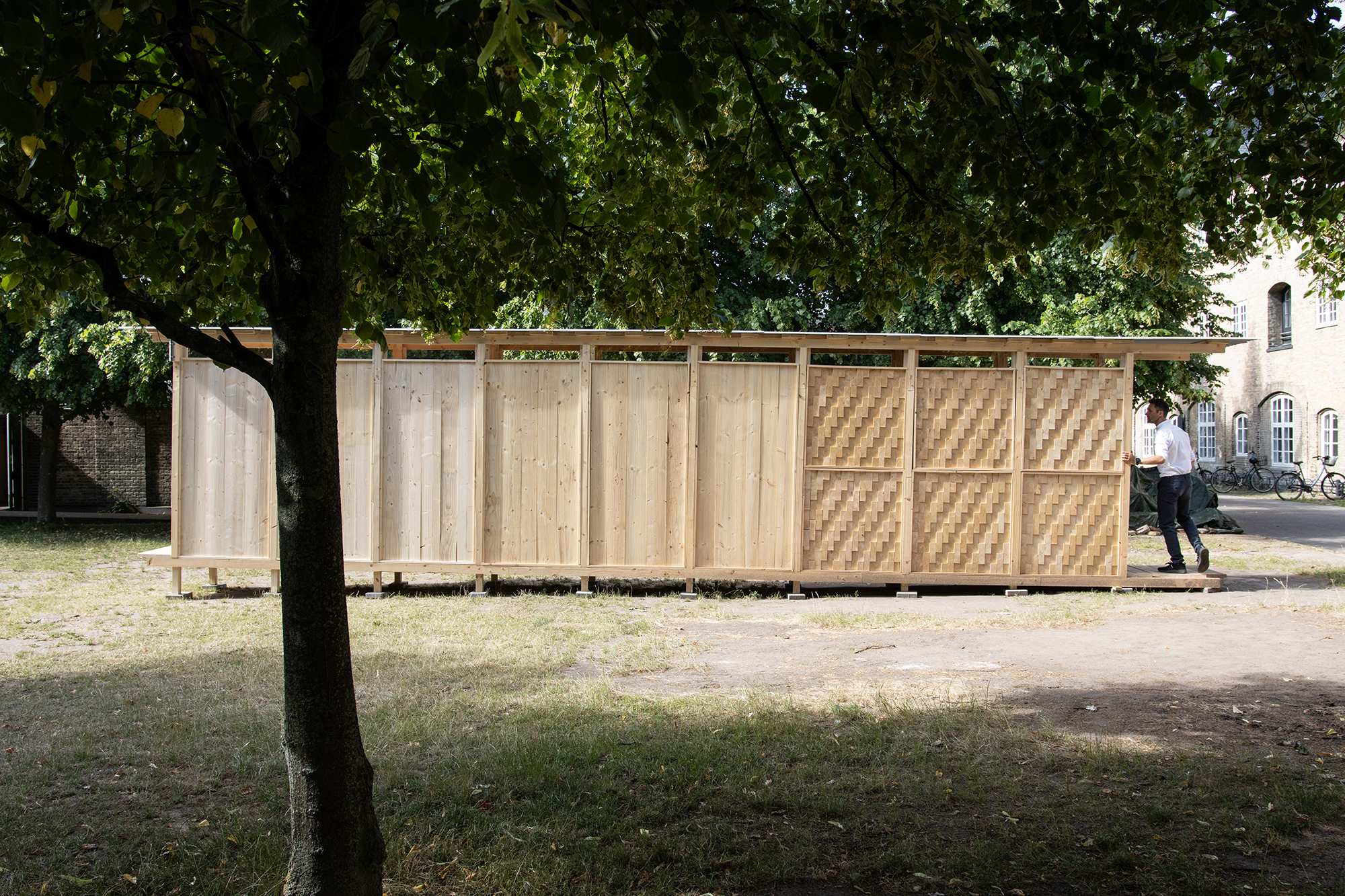
Material investigations are dominated by an experimental practice from the transformation of wood cellular properties, fibre arrangements in composites and joints to the assembly of full-scale demonstration projects. The movement across structural and environmental scales allows observations and experiments to happen under isolated laboratory conditions to open, messy and non-replicable field conditions. Original ideas emerge through thinking and making across material-environmental scales simultaneously.


Material investigations are focused on exploring and testing highly anisotropic wood species and plant fibre hybrids, with experiments combining fast-growing low-density and slow-growing high-density wood species, composites of grass, flax, hemp species and hybrids of plants with mineral-based materials, such as clay-grass hybrids. The material experimental studies are tested across scales of interventions, from geometric simple construction panels, to chairs and advanced anticlastic geometries in large building arrays.