A

A Forgotten Structure Reimagined, The Promenade Queens
Cinderella Camp transforms the elliptical promenade of the Tent of Tomorrow at the New York State Pavilion into a museum that honors what already stands. Rather than breaking with the past, the project introduces a deliberate shift within the existing geometry, a subtle push in form and movement. The original tiled surface and towering columns are preserved as traces of the past, anchoring the space in its history. Through spatial gestures and narrative layering, the Pavilion becomes a stage for both permanence and change, a quiet reawakening that invites public life into the void.
My Definition of Cinderella Camp
The title Cinderella Camp holds two layered references that frame the project’s approach.
Cinderella its fairy-tale glamour, but for the notion of something forgotten or underestimated. Like the Pavilion, Cinderella is a figure left in the shadows overlooked, neglected, and covered in dust; until a moment of transformation reveals her latent potential. The project sees the Tent of Tomorrow not as a ruin, but as a structure rich with possibility, waiting to be seen anew.
“The word Cinderella has, by analogy, come to mean someone whose attributes are unrecognized, or someone who unexpectedly achieves recognition or success after a period of obscurity and neglect.”
Camp as defined by Susan Sontag in her 1964 essay Notes on “Camp”, refers to an aesthetic rooted in theatricality, sincerity, irony, and exaggeration. Built in the same year, the Pavilion itself embodies this spirit: its grand scale, utopian vision, and expressive form speak to an era of excess and optimism. Embracing this lens, Cinderella Camp does not shy away from boldness or emotion. Instead, it reclaims these qualities to propose an architecture that is both critical and caring, an expressive frame for memory, transformation, and public imagination.
“The essence of Camp is its devotion of the unnatural and of exaggeration, and not in terms of beauty, but in terms of the degree of artifice, of stylization.”
Echoes of a Forgotten Tomorrow
The Pavilion Speaks
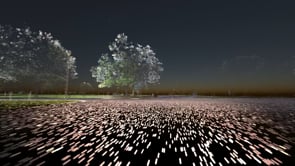
A film told from the perspective of the building itself.
Short film, 04:26 minutes, in Flushing Meadows, Queens, New York City, US
This short film gives voice to the Tent of Tomorrow, the central structure of the New York State Pavilion in Flushing Meadows, Queens. Constructed for the 1964 World’s Fair, the Pavilion has stood ever since, abandoned, scanned, remembered, and slowly overtaken by time.
Told from the Pavilion’s own perspective, the narrative unfolds through archival fragments, movement, and sound. It reflects on the fading glory of the past, the stillness of the present, and the uncertainty of what lies ahead. The voice is quiet, observant, speaking from a place of endurance and spatial memory.
I wanted to explore film as a way of getting to know a place by listening to it. The Pavilion's solitude became a mirror. Through this medium, the building shares its experience of being left behind, yet still standing. This emotional and spatial grounding formed the basis for my architectural design proposal: a reconnection between past and future, absence and presence.
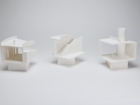
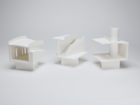
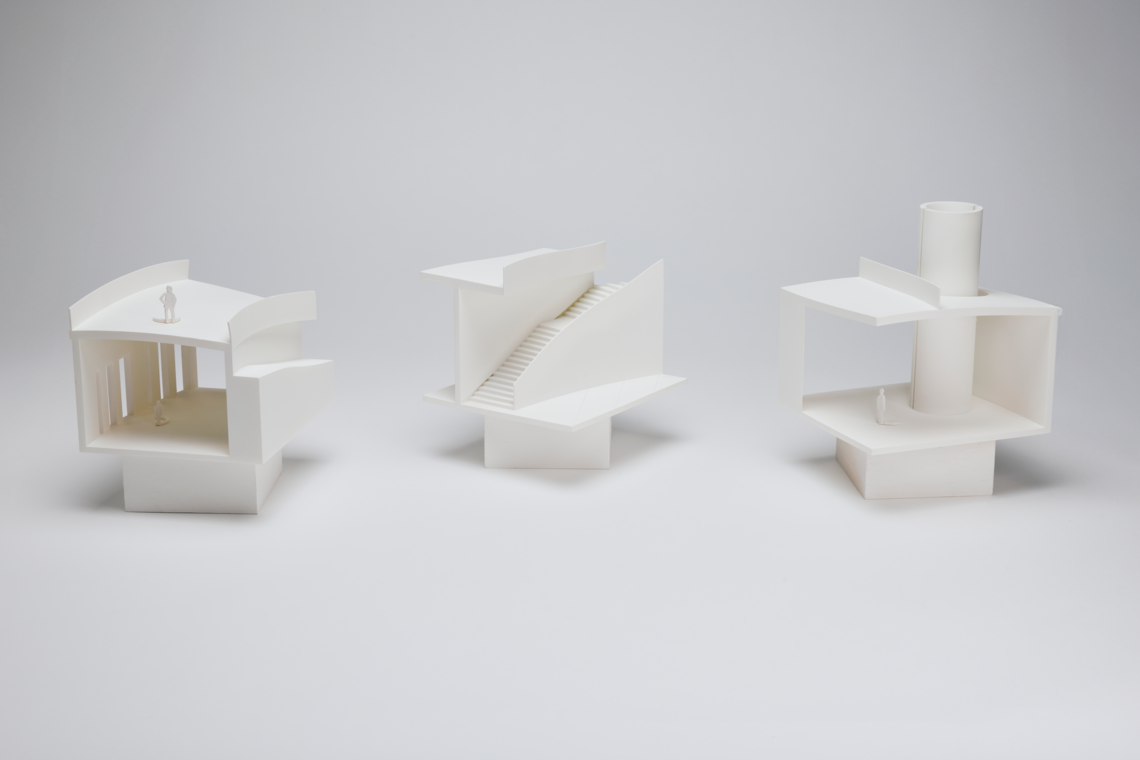
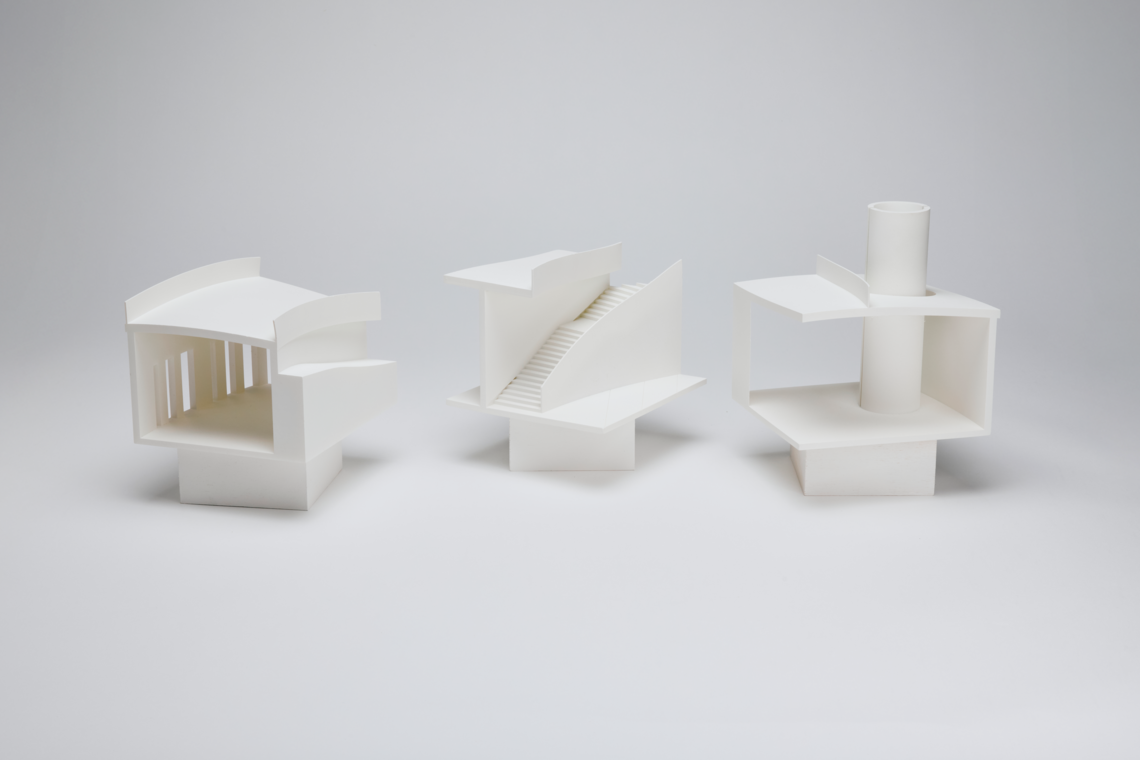
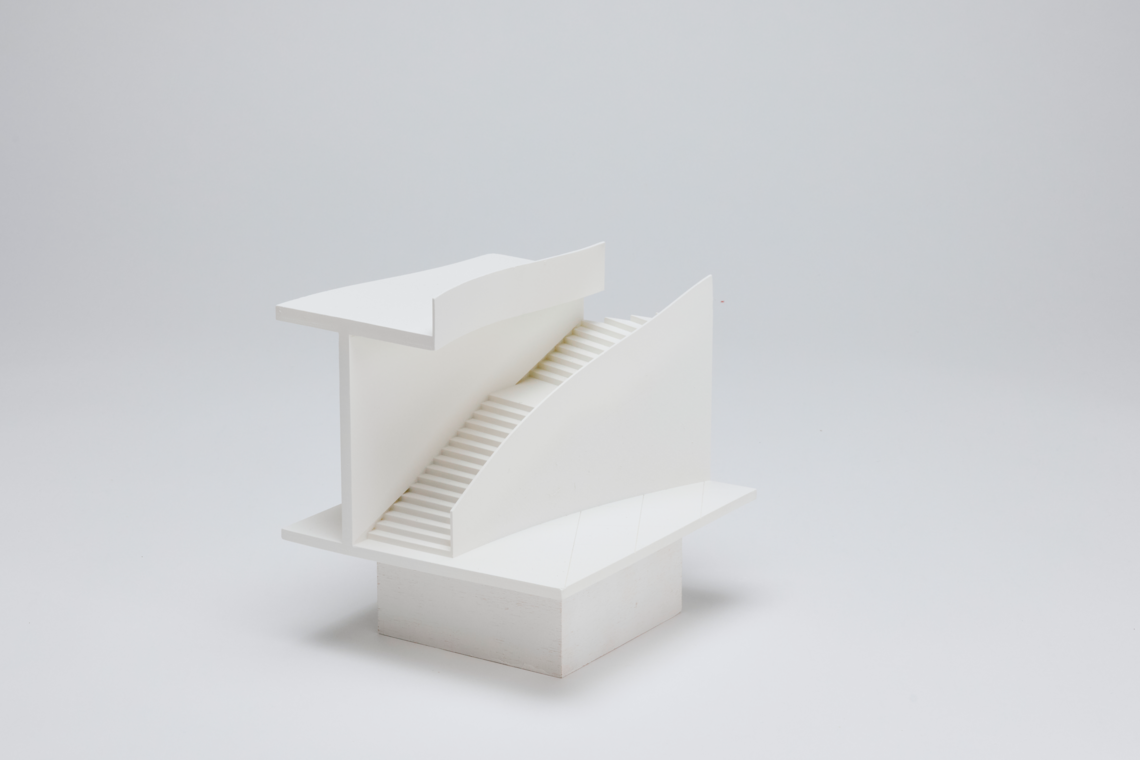
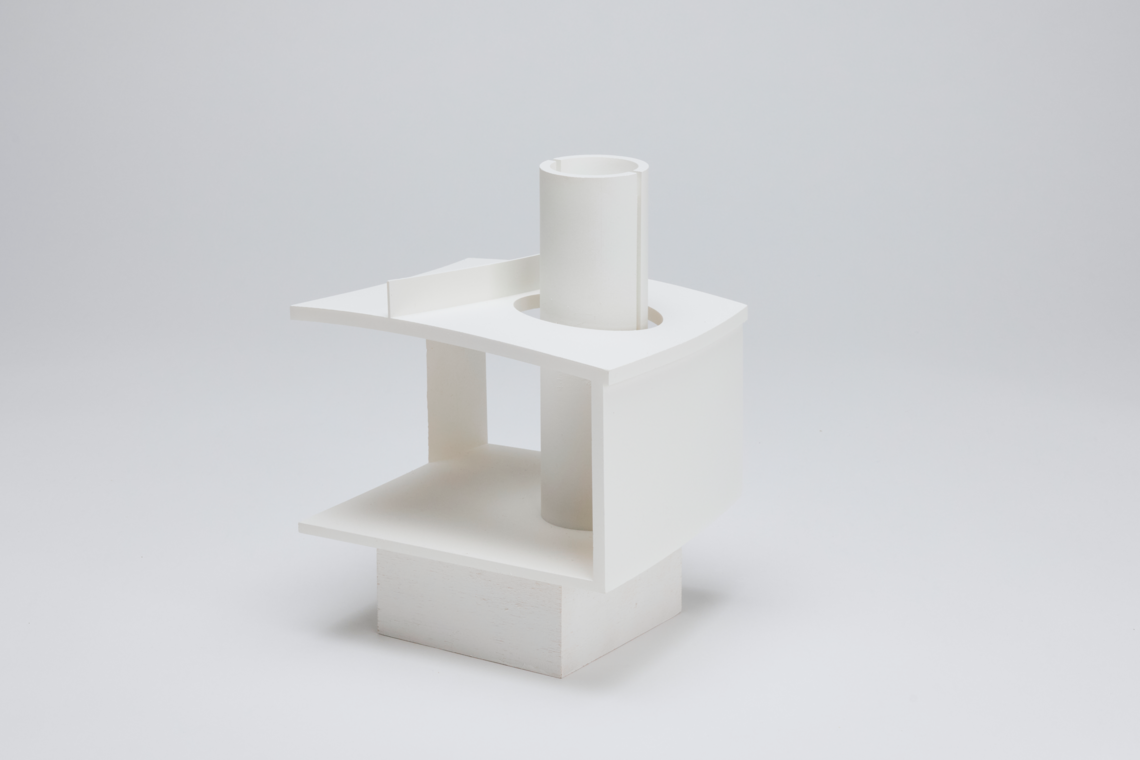
Model 1: Conceptual Groundwork
An early spatial study tracing circulation and spatial intentions within the elliptical footprint.
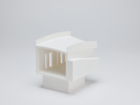
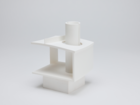
Model 2: Realized Proposal
A refined design model articulating the full architectural gesture, from fragmented traces to constructed form.