A


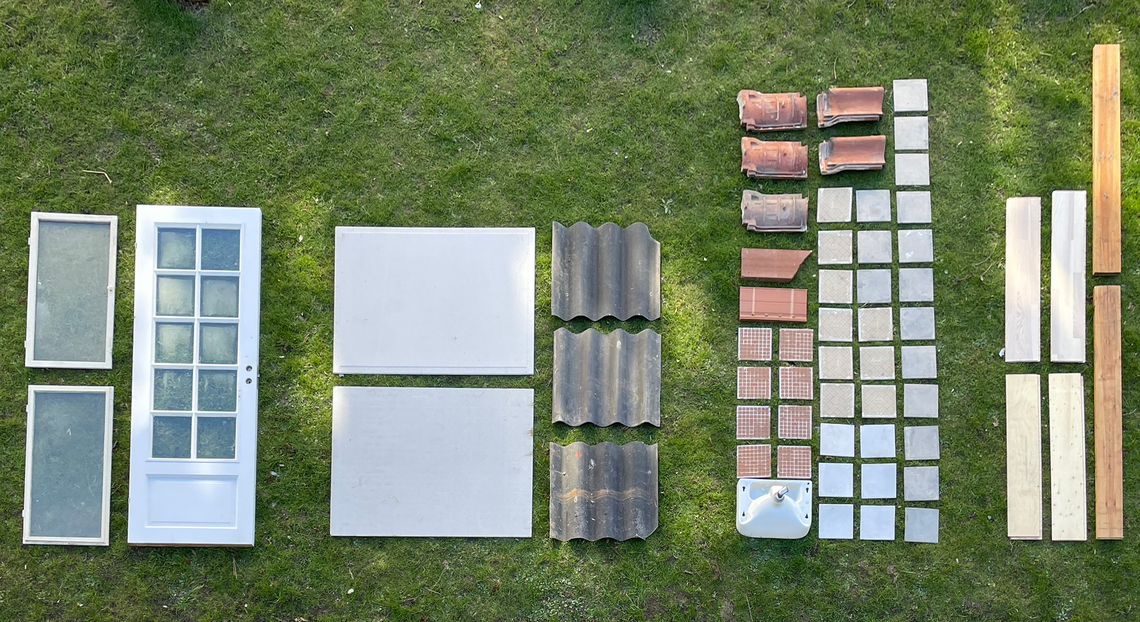
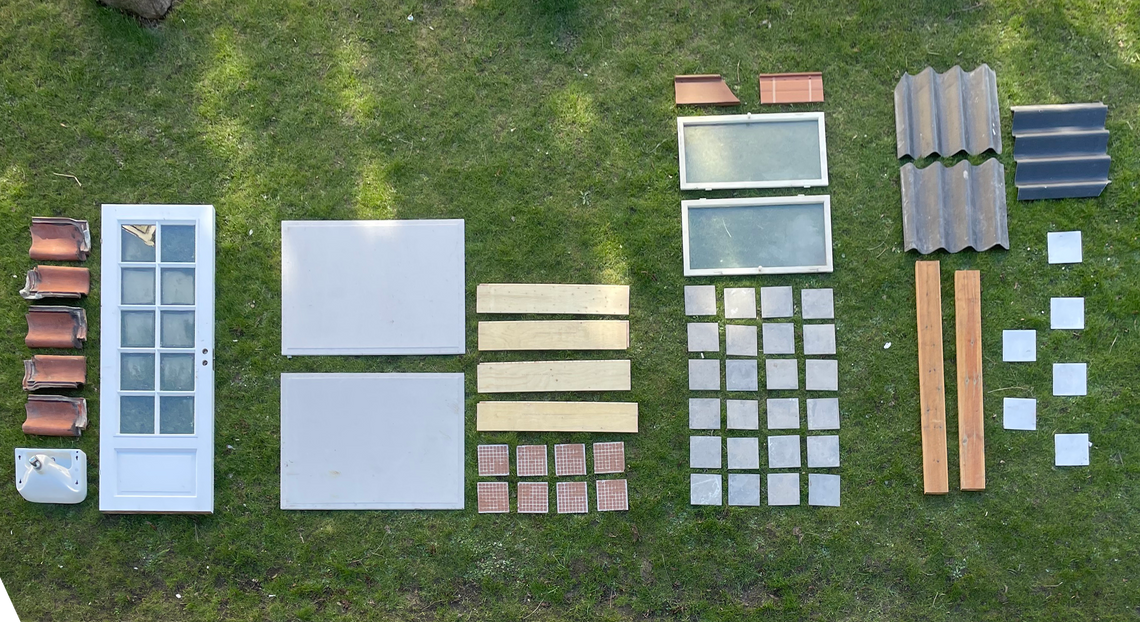
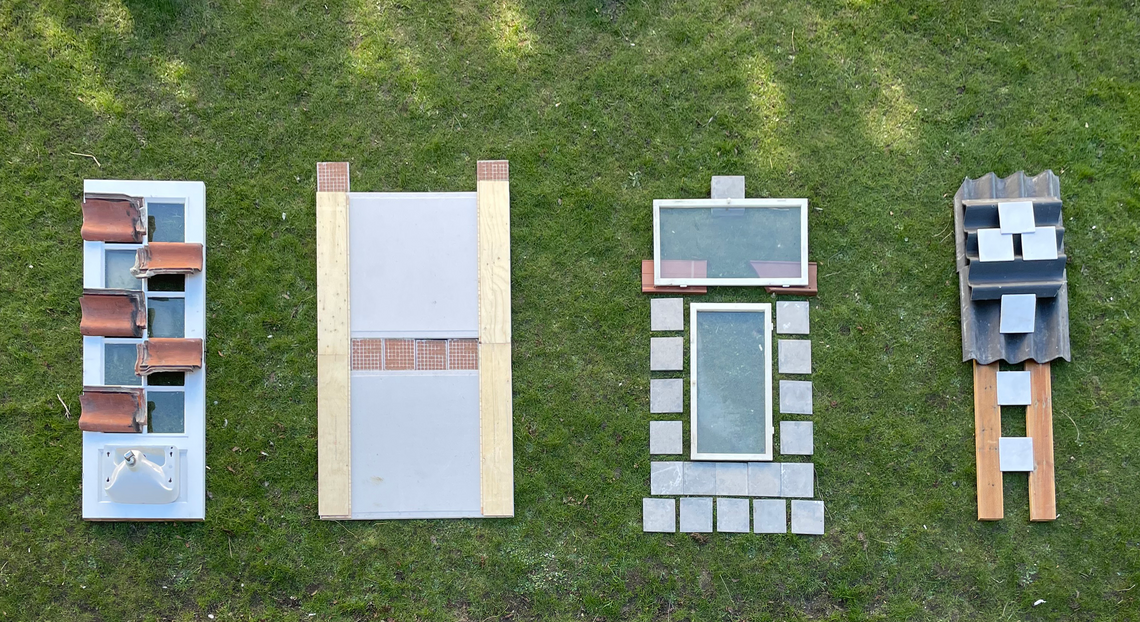
In response to growing inequalities between rural and urban, this project reimagines the role of rurality through Horslunde, a village on Lolland. By preserving, subtracting and rearranging materials the project transforms vacancy into new rural landscapes that facilitate meaningful village life, habitats for other species and transactions between urban and rural.

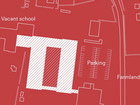
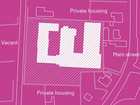
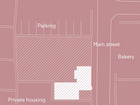
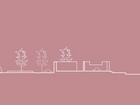
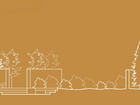
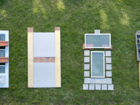
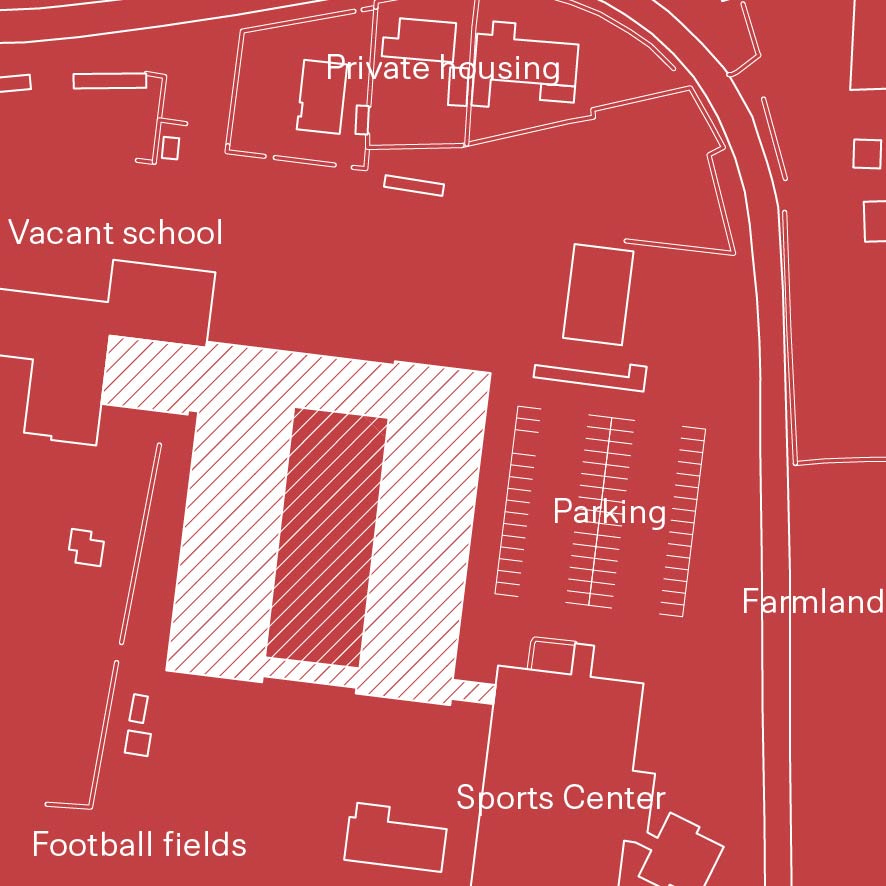
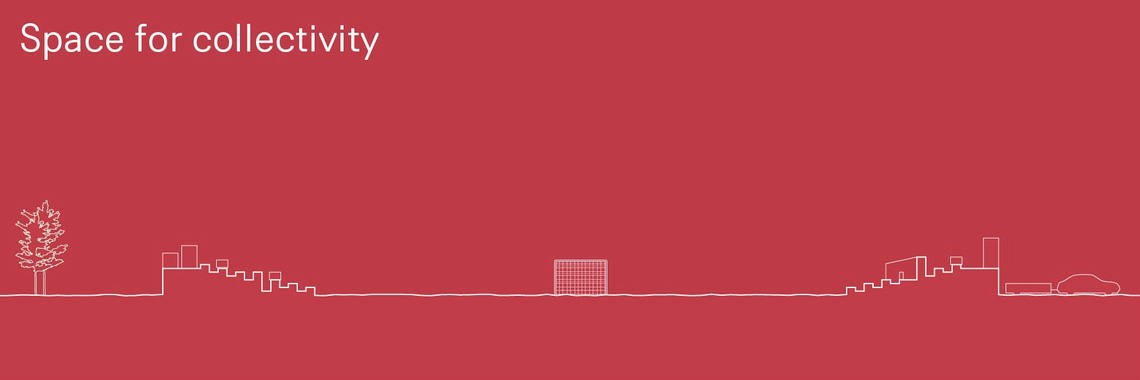
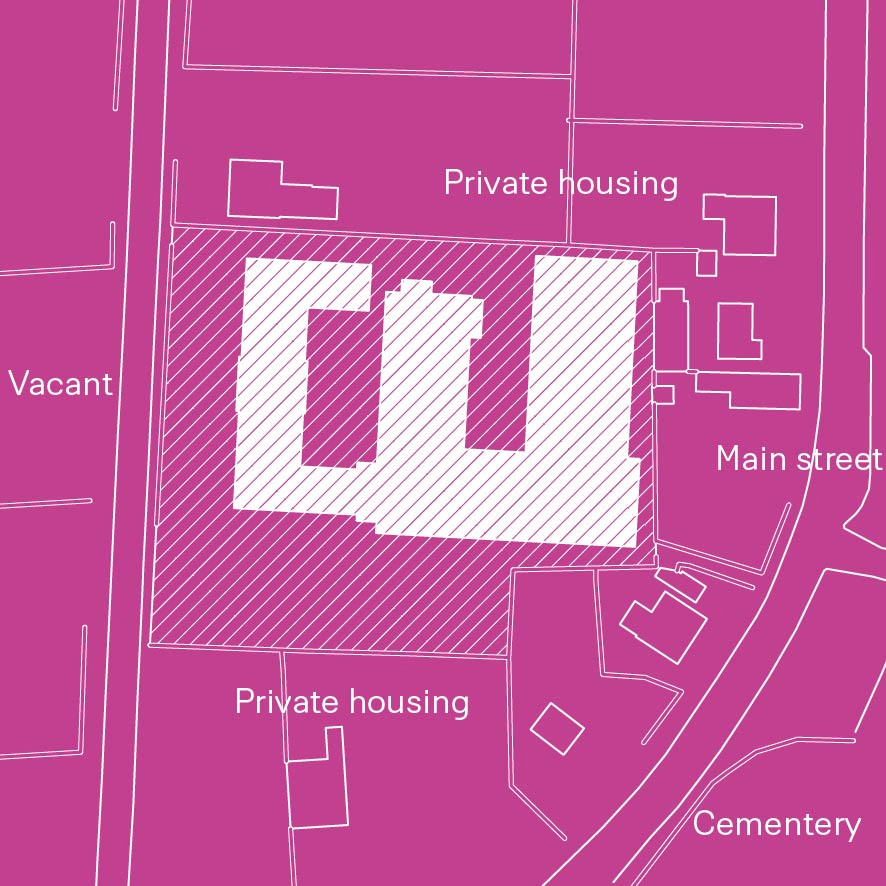
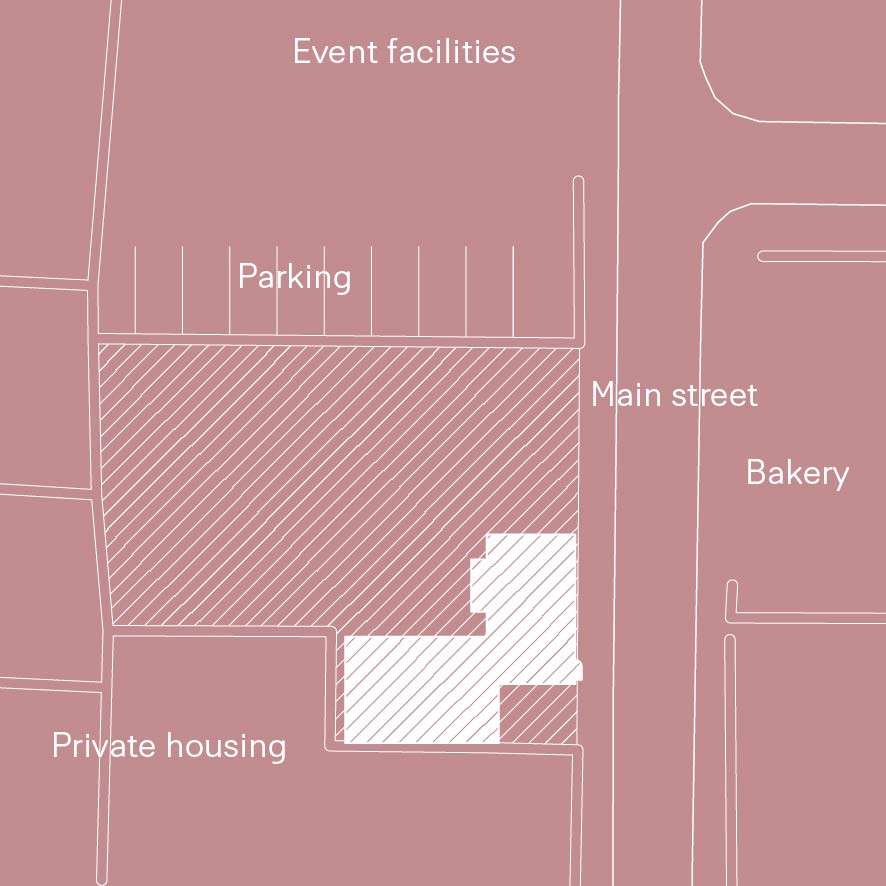
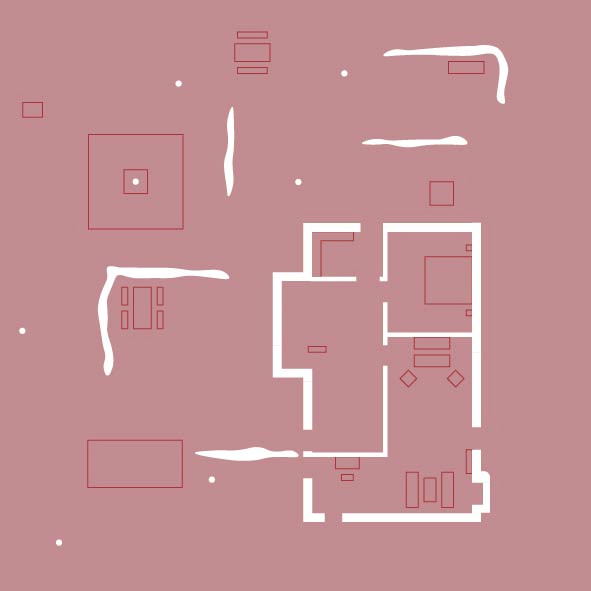
Space for collectivity - Pederstrupvej 22


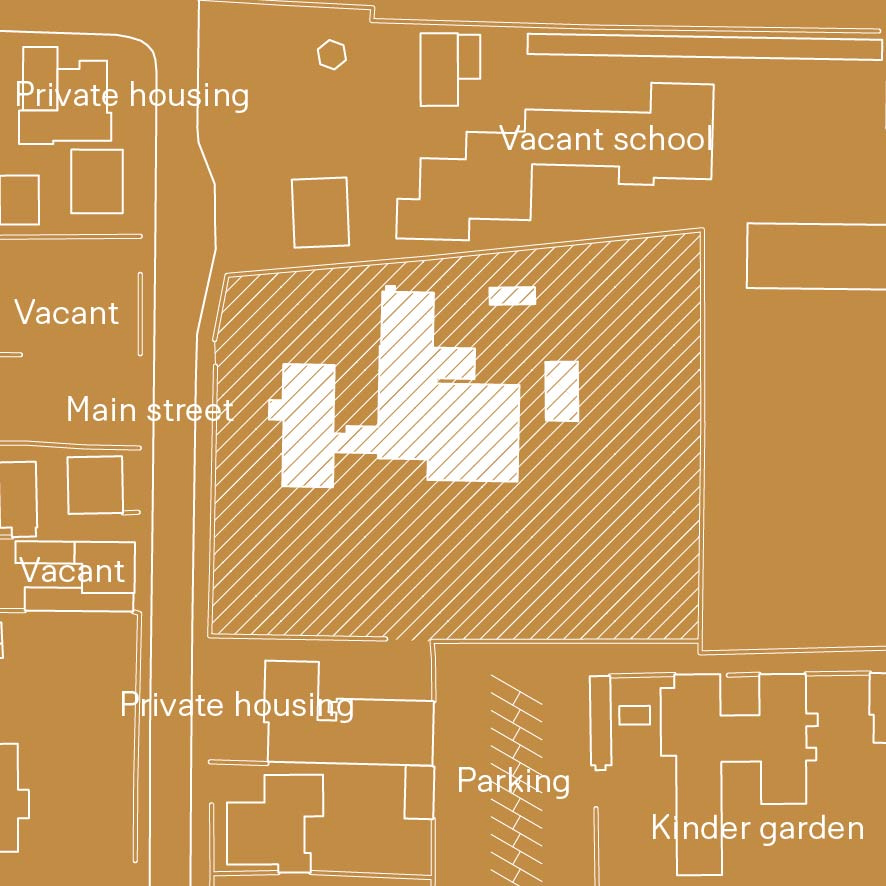
Horslunde is a small village on the northern edge of Lolland. Like many rural communities across Denmark, it is shaped by a quiet but
persistent movement: people leaving, institutions closing, buildings standing empty. What was once a lively local centre with schools, a train
station and municipal functions is today marked by vacant houses and demolition sites.
Yet within this condition of decline lies another story. Horslunde is approached not as a place waiting to be rescued through growth, but as a place that can reveal alternative ways of living with transformation, loss and change. Instead of treating depopulation as a failure to overcome, shrinking villages can become spaces for new relationships between people, materials and nature.
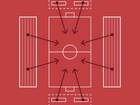
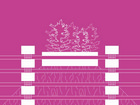
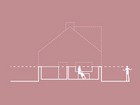
Space for contrast - H.C. Skotttesvej 4


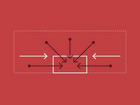
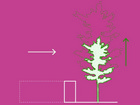
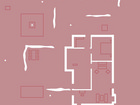
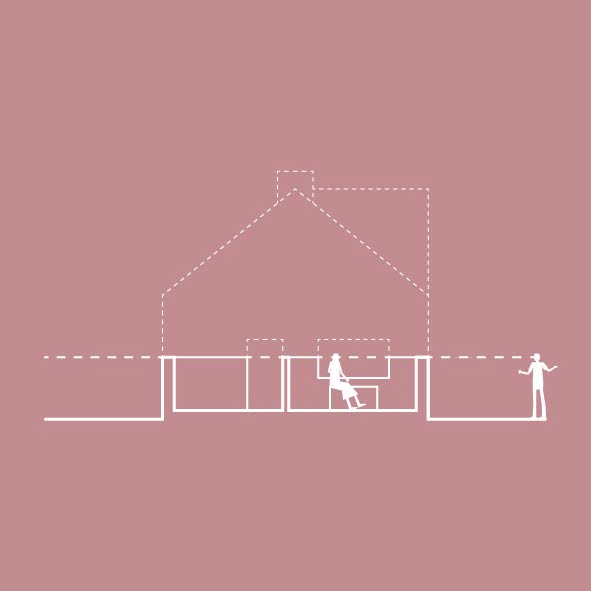
Space for intimacy - Hovedgade 15


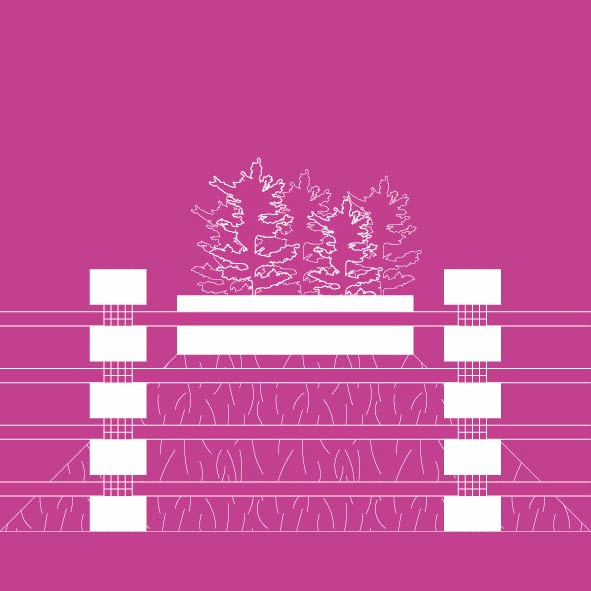
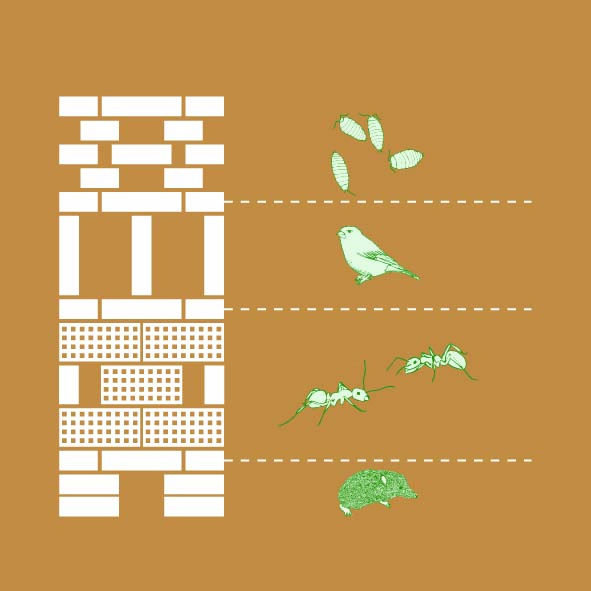
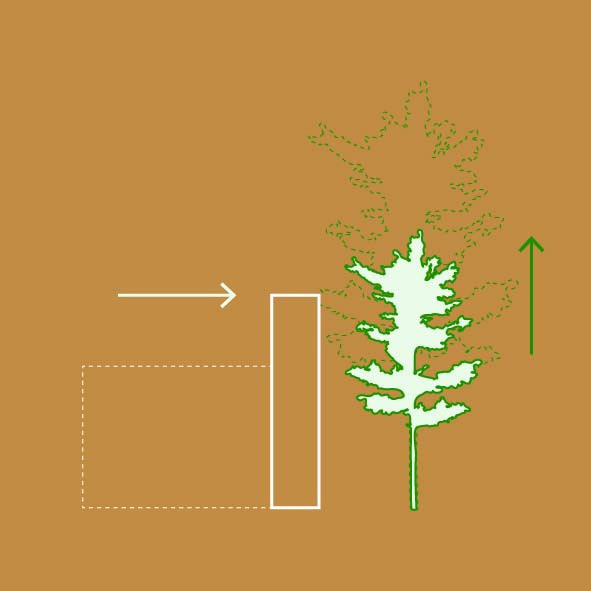
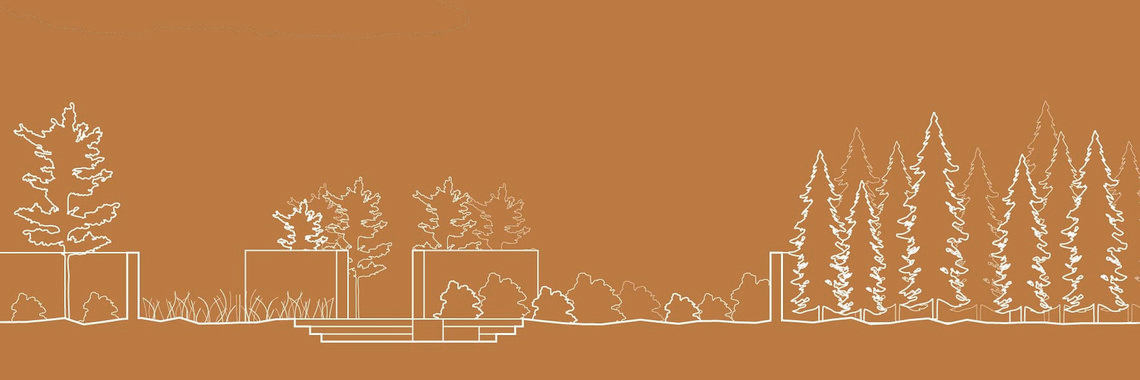
Despite depopulation, Horslunde still holds strong social structures. Local associations, shared initiatives and everyday meeting places continue to sustain village life through the efforts of dedicated residents. Rather than introducing entirely new programmes or places, transformation can build upon the qualities and activities already rooted in the village and strengthen the social life that continues to exist. At the same time, the changing village opens up new possibilities for nature. The edges of Horslunde are dominated by agriculture, while many empty plots within the village remain inaccessible non-spaces, neither truly urban nor ecological. Instead of remaining vacant leftovers, these spaces could become part of a new rural landscape where nature moves back into the village. Not as decoration, but as an active participant in everyday life, creating habitats for other species alongside spaces for human activity and community.
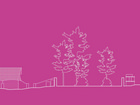
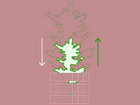
Space for diversity - Hovedgade 18


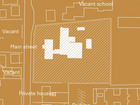
Across Horslunde, traces of demolition are already visible. Houses disappear one by one along the main street, public buildings close, and empty plots emerge between inhabited homes. These voids are often understood as signs of neglect - spaces without value or purpose. But what if they were seen differently and treated as a resource rather than a residue. The growing emptiness of villages like Horslunde stands in
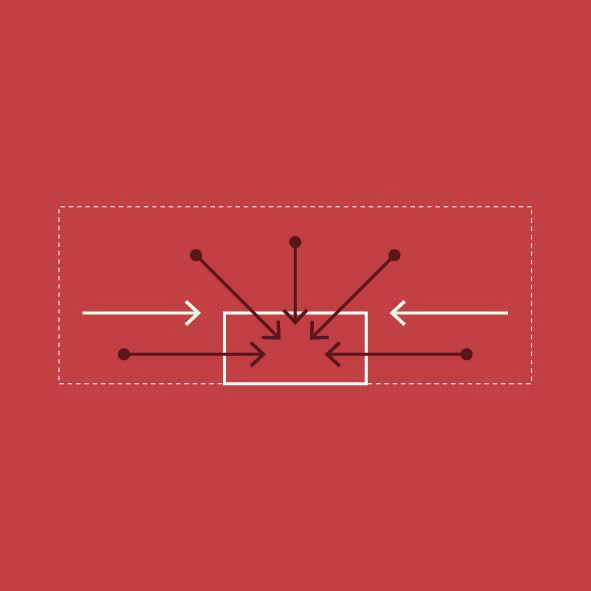
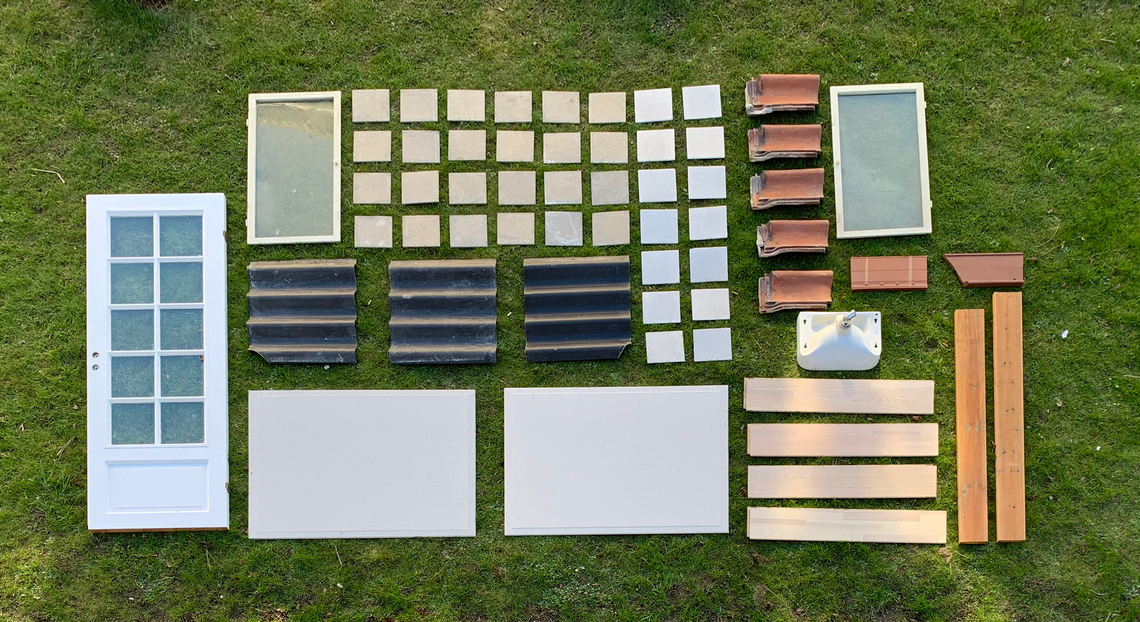
sharp contrast to the rapid development of Denmark’s larger cities. As rural areas lose inhabitants, urban centres continue to expand through housing, infrastructure and construction that demand enormous quantities of virgin materials. In Horslunde, a growing material surplus exists side by side with urban scarcity and construction pressure. Depopulating villages could therefore be understood as part of a larger material ecology and as active contributors to a more circular future.


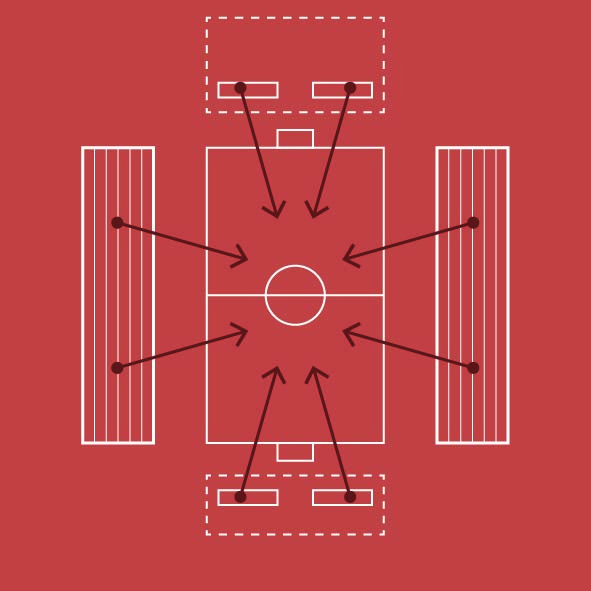
Horslunde reveals the potential of a landscape and village in transition. Through demolition, material reuse, social life and rewilding, the village becomes a way of questioning how rural futures might be shaped differently. What happens when buildings are carefully dismantled rather than simply removed? Could materials from shrinking villages support the growth of expanding cities? And how might spaces left behind create new forms of coexistence between people, nature and local communities?
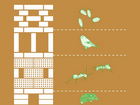
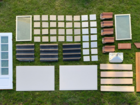
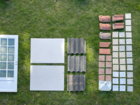
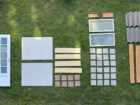
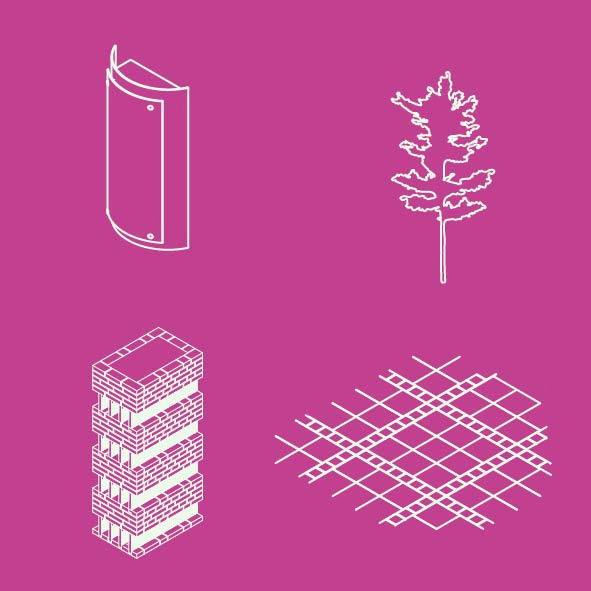
Metode for designing with neglected material