A

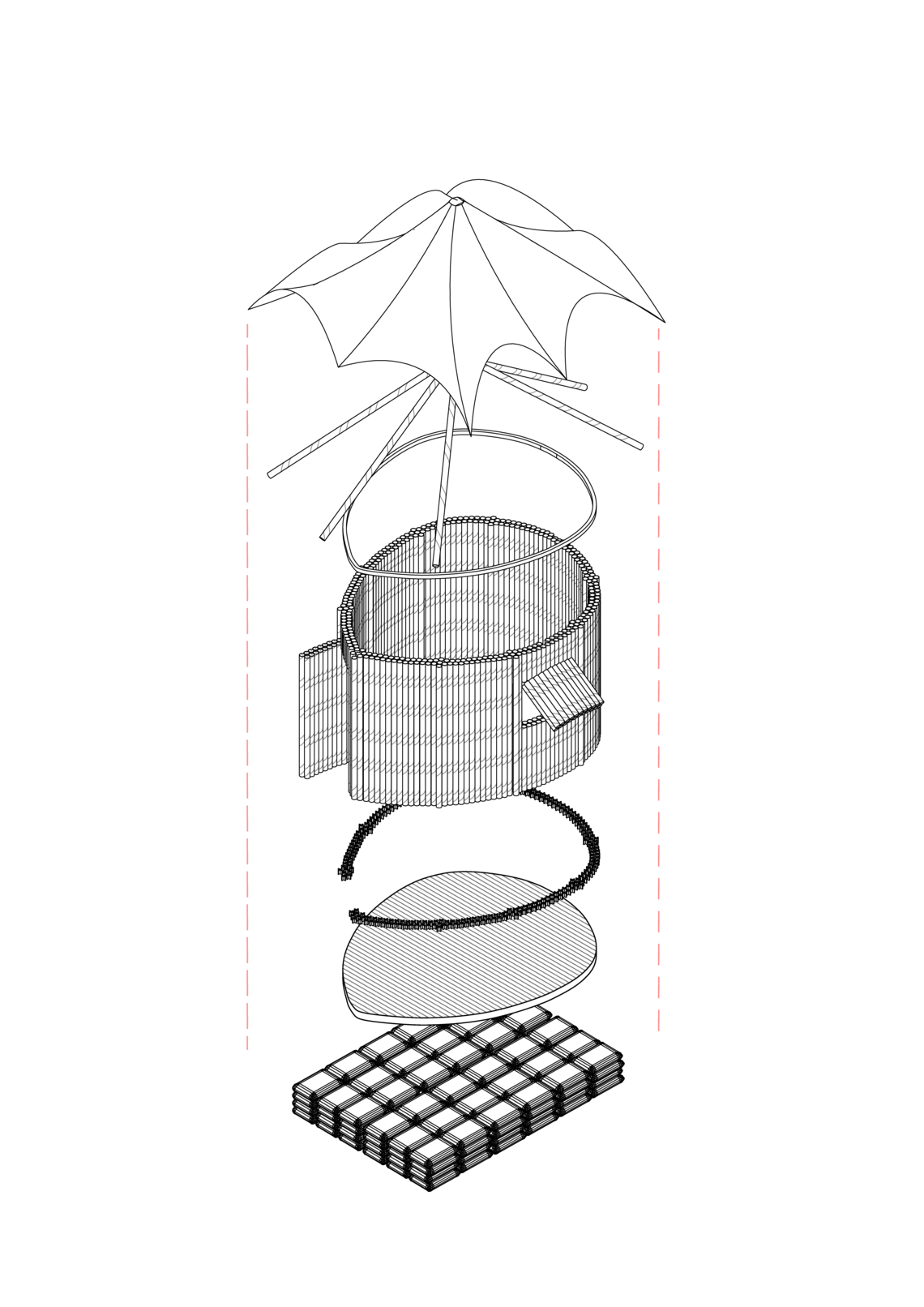
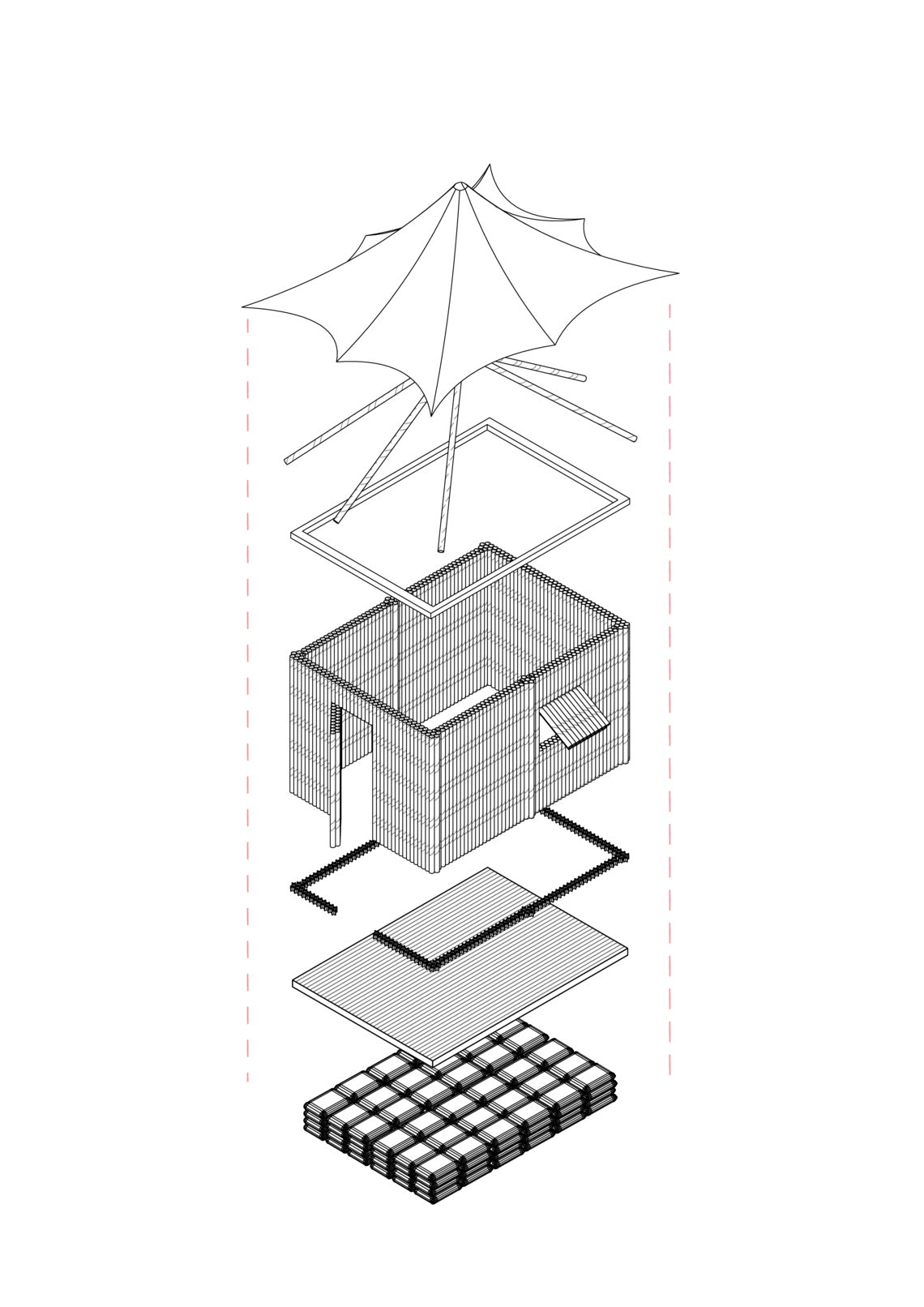
This project explored the development of sustainable, modular shelter systems for displaced populations affected by conflict, climate disasters, and forced migration. With a focus on humanitarian architecture, the project examined how recycled materials and tensile structural principles could be applied to create shelters that are not only rapidly deployable but also environmentally responsible, durable, and adaptable to various climatic conditions.
Inspired by traditional nomadic structures such as yurts, the design aimed to merge cultural sensitivity, structural efficiency, and thermal comfort. Existing emergency housing solutions—such as Shigeru Ban’s paper tube shelters—were critically analyzed, with attention given to their environmental impact, limited durability, and insufficient insulation. In response, the project proposed a new hybrid shelter model using bio-based and reused materials, emphasizing adaptability and long-term usability.
The research combined architectural analysis with environmental, social, and anthropological perspectives, using a comparative and interdisciplinary methodology. Antakya, Turkey, was chosen as the reference site due to its exposure to both humanitarian and environmental crises following the 2023 earthquake, offering a real-world context to test the shelter’s adaptability and cultural relevance.
Ultimately, the proejct proposed a generalizable yet flexible shelter prototype that could be assembled by users, tailored to local conditions, and either disassembled or biodegraded when no longer in use—contributing to more ethical, sustainable, and dignified responses to global displacement.


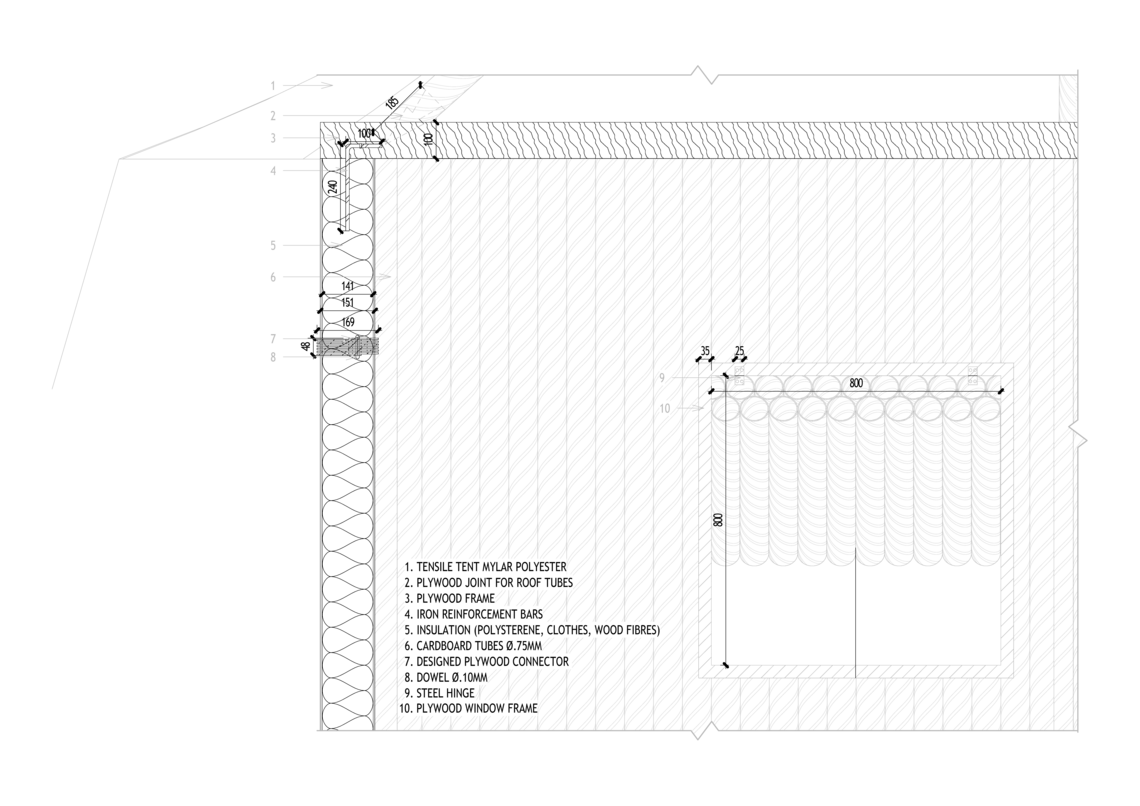
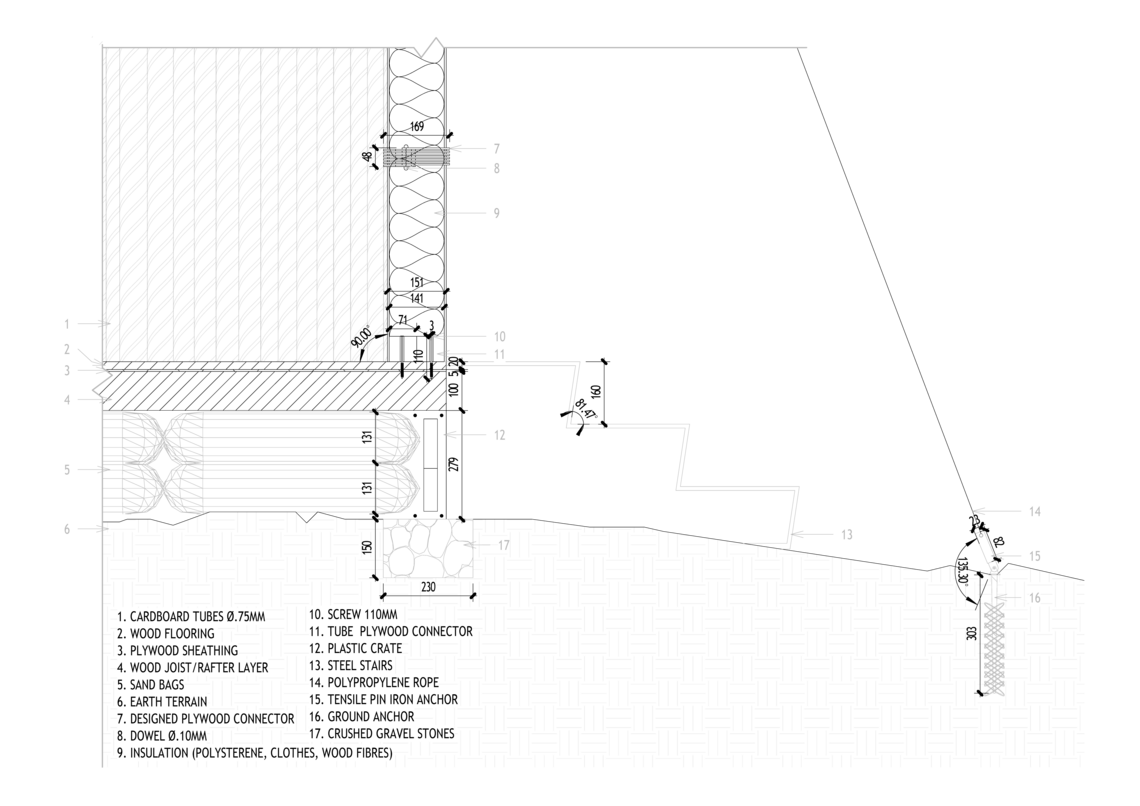
Waste insulation for cardboard tubes

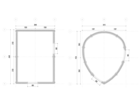
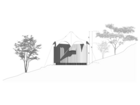
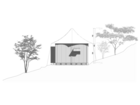
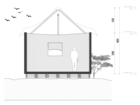
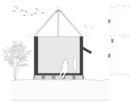
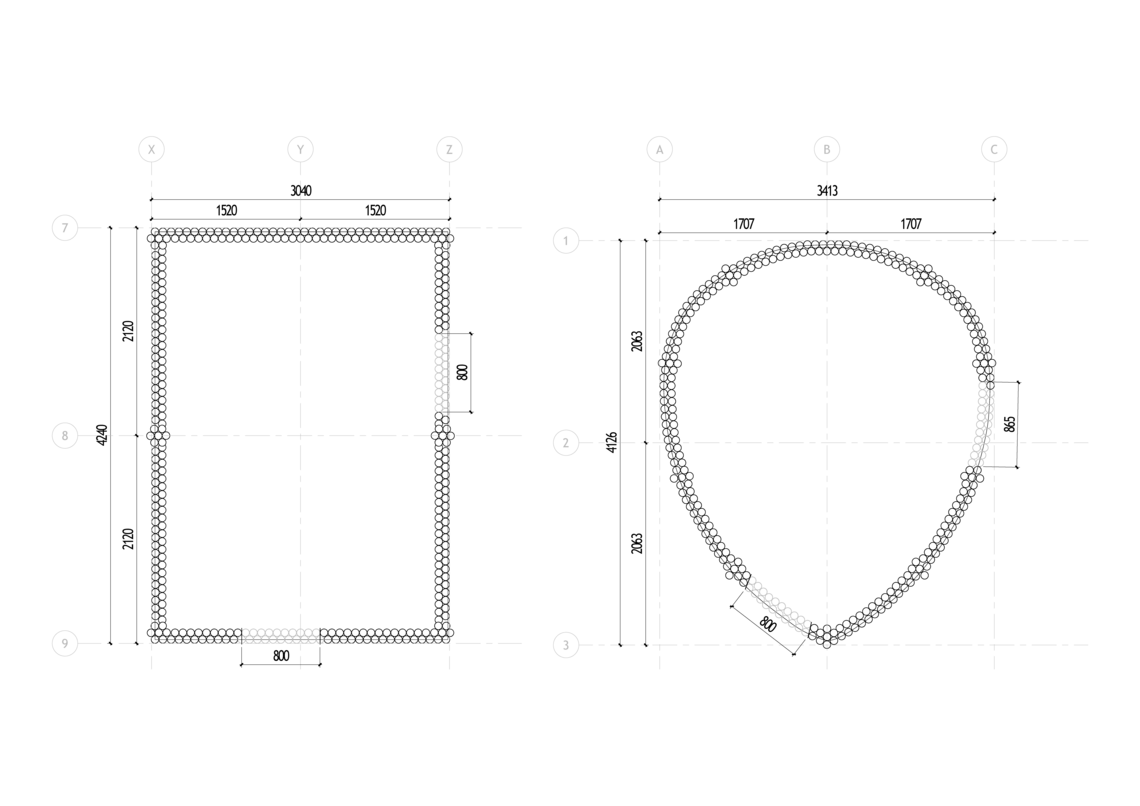
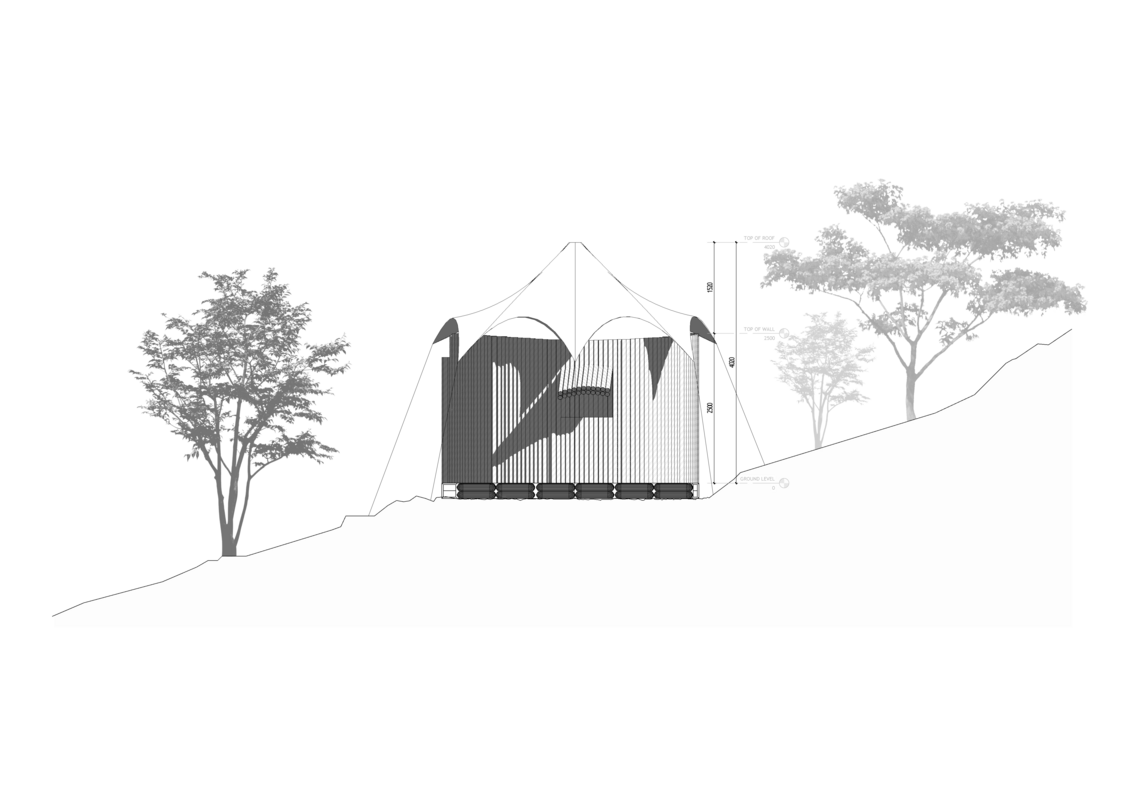
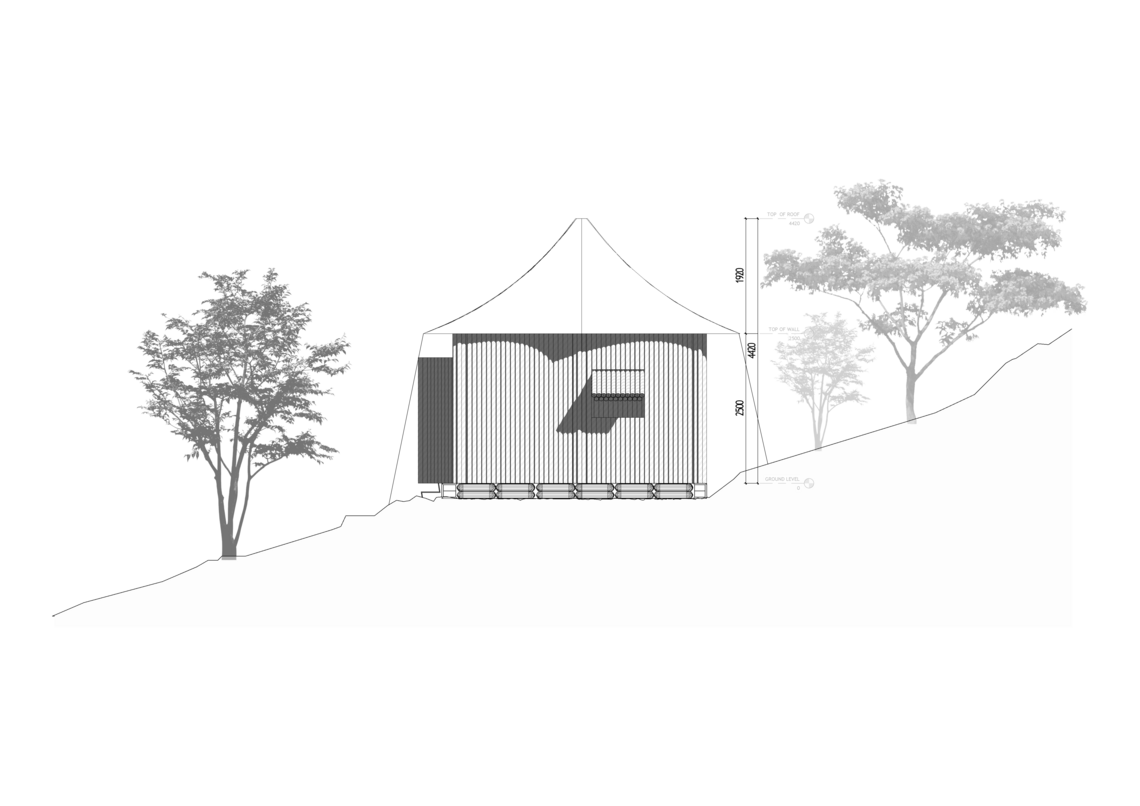
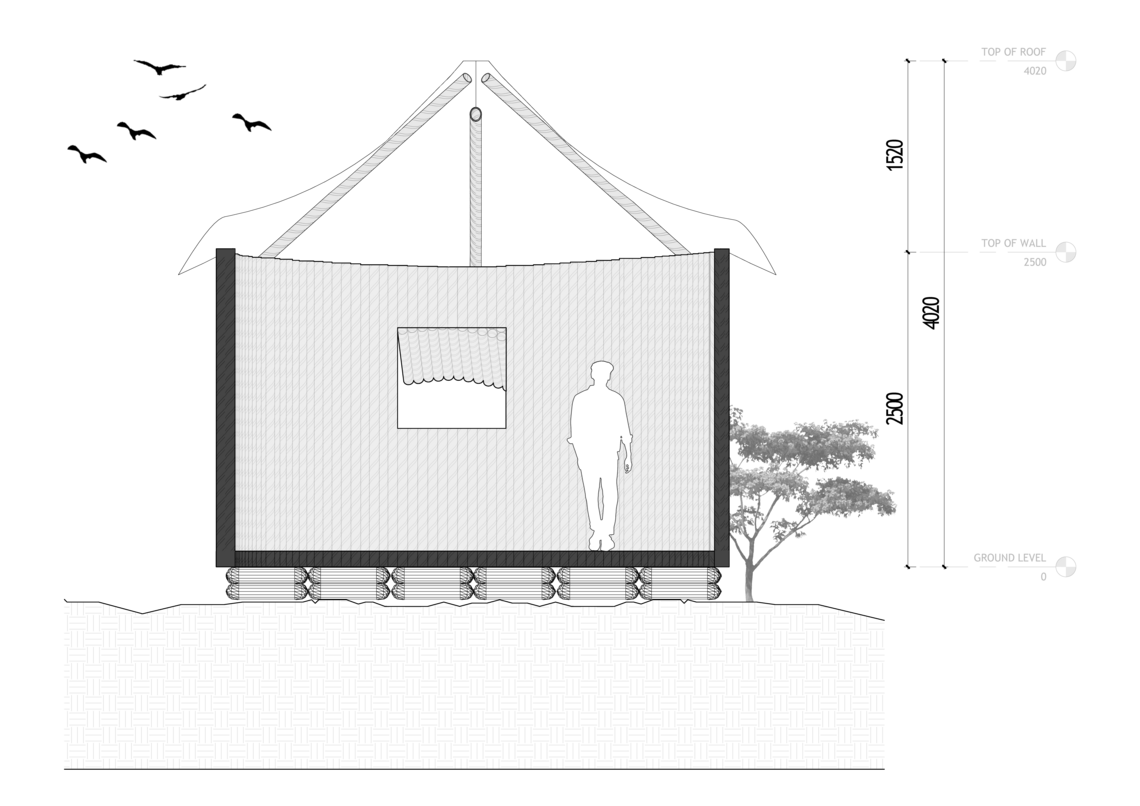
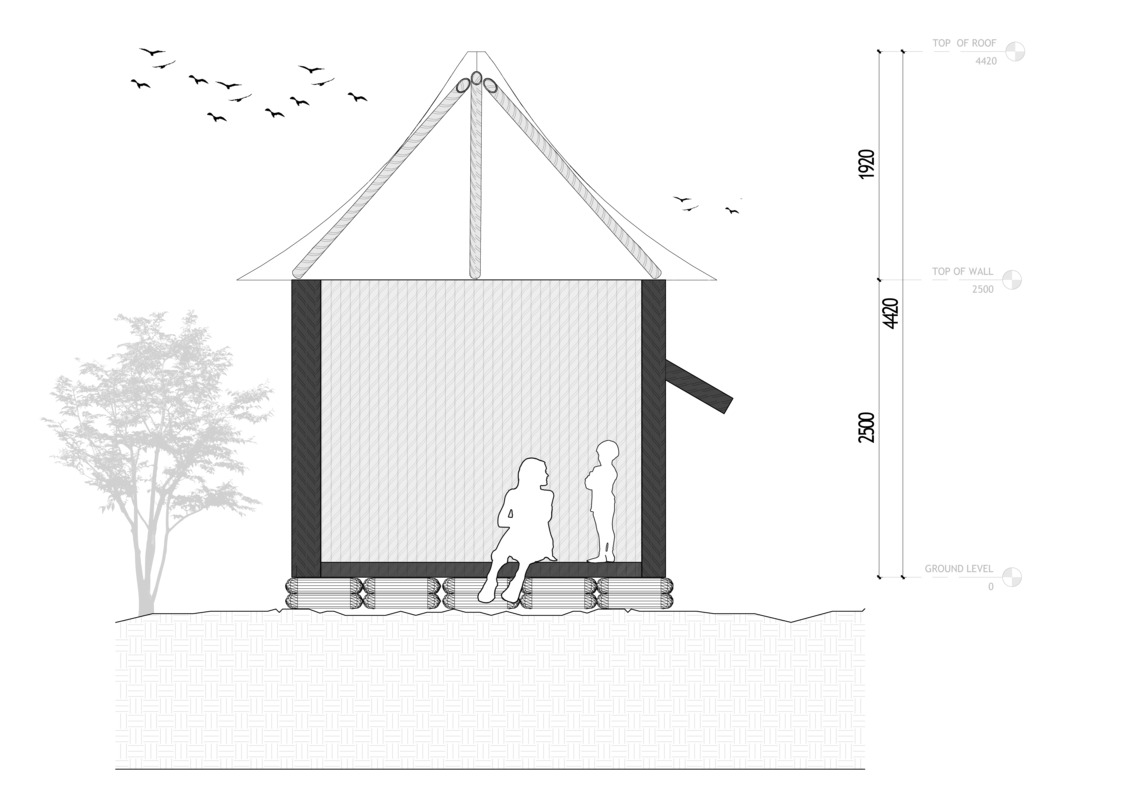
Drawing Set
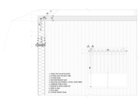
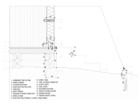
Cardboard Tube Connection