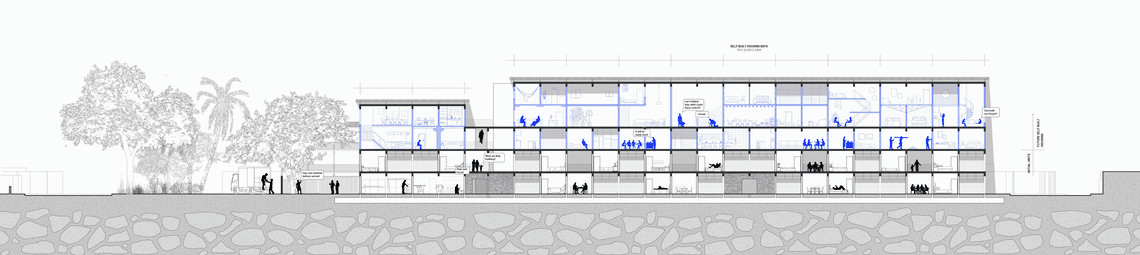
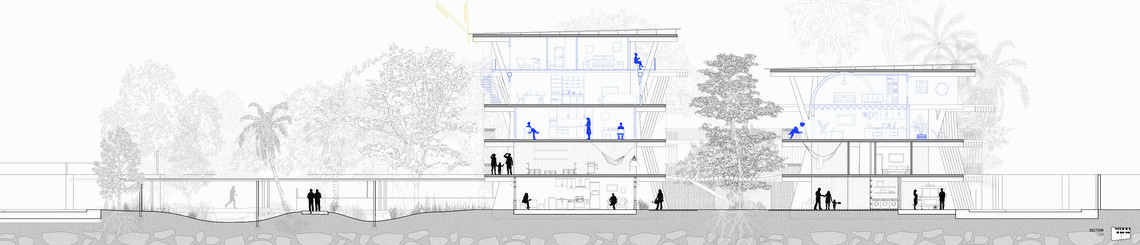
A


Located in Mérida, Mexico, this project aims to rethink materials and urban evolutions through the lens of time. While offering an initial housing solution responding to problems of urban sprawl and emissions in contemporary construction in Mérida, this project also envisions a future where waste generation links with new construction to create a seamless metamorphosis of materials in the city.
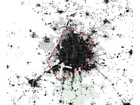
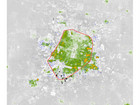
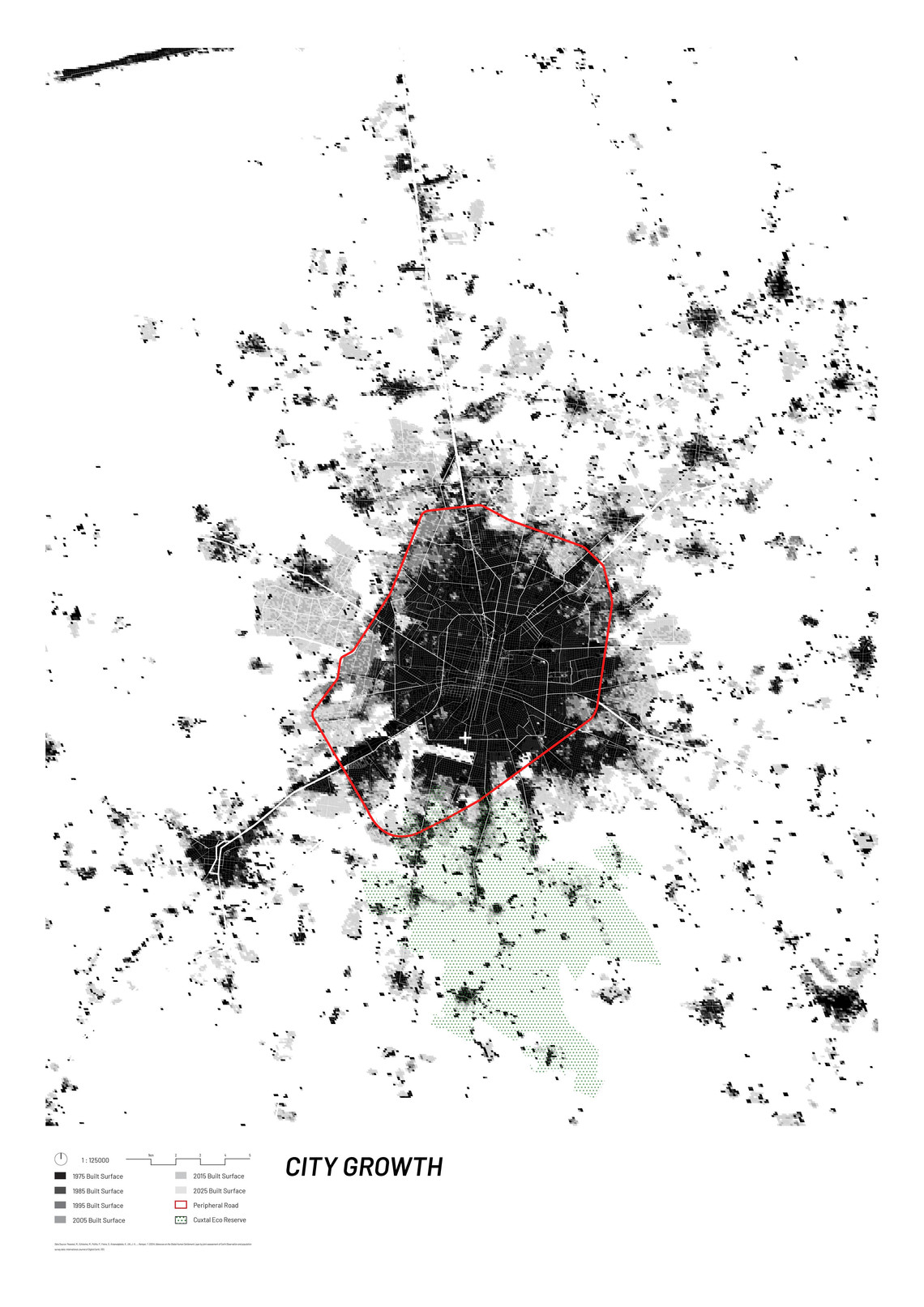
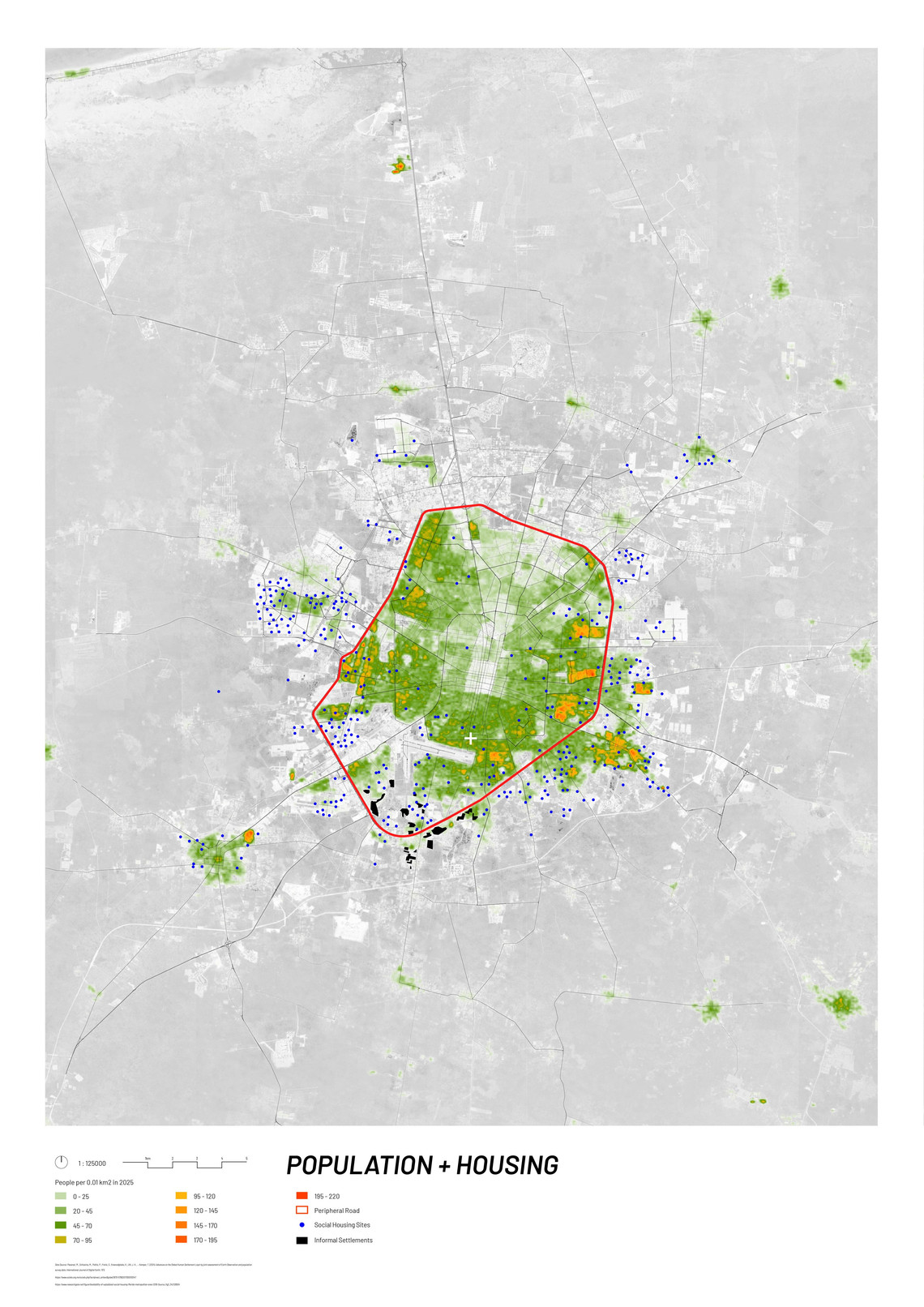
Over the past couple of decades, Mérida’s urban footprint has expanded dramatically beyond its historic core, a process commonly described as urban sprawl. Between 2000 and 2020, the built-up area of Mérida essentially doubled in size, growing from about 21 000 hectares to over 42 000 hectares, a pace that slightly outstripped population growth and reflects a pattern of low-density, horizontal expansion rather than compact infill development. This spread has not been uniform but rather discontinuous and fragmented, with large residential developments and new neighborhoods emerging in multiple directions, particularly toward the north and west, creating a wide peri-urban belt that meshes city and countryside.
Much of this outward growth has been driven by the real estate market and the construction of suburban subdivisions on former agricultural and ejidal lands, often with limited integration into existing infrastructure and services. The result has been a landscape where new housing estates and gated communities sit far from the urban core, increasing dependence on cars and making the extension of water, roads, and public transport more expensive and complex. Critics argue that such dispersed development not only increases the cost of public services and strains municipal planning but also alters social patterns and the environment, from longer commutes to pressure on water resources, while raising questions about how to balance growth with sustainability and quality of life.
Problem Statement
"The rapid low density expansion of Mérida has produced environmentally and socially unsustainable housing developments by destroying pristine landscapes to place marginalized communities on the outskirts of the city in detached single family homes"
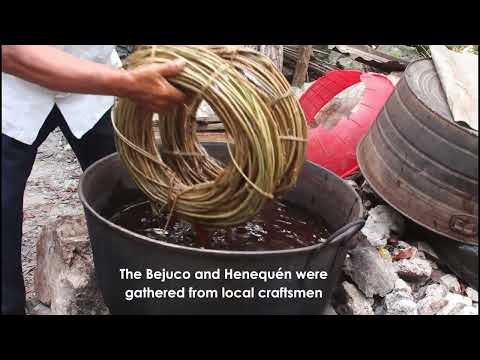
Supplementary Prototype Photos


While being on site investigating the local potentials of biogenic building materials, a growing pattern was starting to be observed. Many individuals who shared insights for the prototype, also spoke of the unsustainable practices with the extraction of the local bio based materials. This included the timber industry leading to the largest contributor to deforestation in the region. This lead to a switch to focus on waste materials to decrease carbon impact of new constructions

Research Question
Can construction and waste material timelines create opportunities for a more sustainably responsible housing developments?

The research question was based on the initial reaction to amount of surplus waste the city produce's and the lack of current waste reduction and recycling practices. The aspect of incorporating time, was from identifying that there is often a "middle man" in the material reuse cycle. Rather than finding a place for a material to site once extracted from a demolition site, this project strives to imagine an architecture that ebbs and flows with the waste material generation of a growing city. The aim was to cut out the need to find a storage space or warehouse to house the materials in between urban harvesting and implementation to a new project.


Site Context Photos


Concept Diagrams


Unit Types and Floor Plans


Life Cycle Analysis